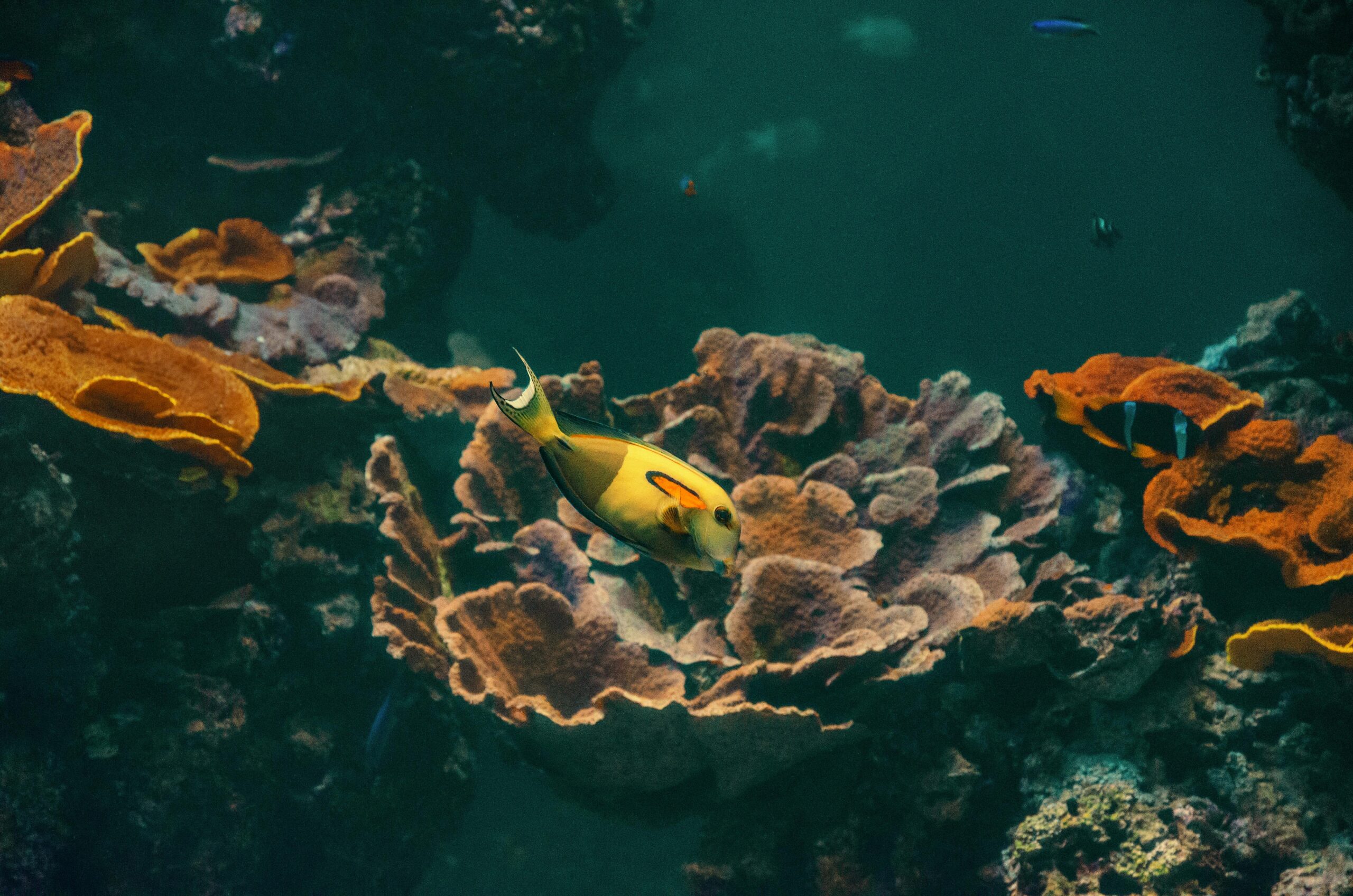
The ocean depths remain one of Earth’s final frontiers, holding secrets that challenge our understanding of life itself and continue to captivate scientists worldwide.

🌊 The Last Great Unexplored Wilderness on Our Planet
When we think about exploration and discovery, our minds often drift to distant planets and faraway galaxies. Yet, right here on Earth, beneath the waves that cover more than 70% of our planet’s surface, lies a realm more alien and mysterious than anything we might find in space. The deep-sea ecosystem, extending from 200 meters below the surface to the deepest trenches at nearly 11,000 meters, remains largely unexplored and misunderstood.
Recent technological advances have finally given researchers the tools they need to peer into these lightless depths. What they’re discovering is nothing short of extraordinary—a world teeming with bizarre life forms, unique geological features, and ecosystems that operate on completely different principles than those we observe on land or in shallow waters.
The deep ocean isn’t just a cold, dark, lifeless void as once believed. It’s a dynamic environment where life has evolved remarkable adaptations to survive extreme pressure, total darkness, and scarce food resources. These discoveries are reshaping our understanding of biology, evolution, and the very limits of life itself.
Revolutionary Technologies Illuminating the Darkness
The biggest challenge in deep-sea research has always been access. The extreme conditions—crushing pressure that can reach over 1,000 atmospheres, near-freezing temperatures, and complete absence of sunlight—make human exploration nearly impossible without sophisticated technology.
Modern remotely operated vehicles (ROVs) and autonomous underwater vehicles (AUVs) have transformed our ability to explore these depths. Equipped with high-definition cameras, sampling tools, and various sensors, these robotic explorers can withstand conditions that would instantly crush traditional submarines. They can remain underwater for extended periods, methodically mapping the seafloor and documenting the creatures that call it home.
Advanced Imaging and Sensing Systems
Today’s deep-sea research vessels employ cutting-edge sonar mapping technology that can create detailed three-dimensional images of the ocean floor. Multi-beam sonar systems emit sound waves that bounce off the seafloor, allowing scientists to construct precise topographical maps revealing underwater mountains, valleys, and volcanic features previously unknown to science.
Bioluminescence imaging systems have also proven invaluable. Since many deep-sea creatures produce their own light through chemical reactions, specialized cameras sensitive to these dim flashes can detect and record organisms that would otherwise remain invisible in the absolute darkness of the abyss.
Extraordinary Life Forms Defying Conventional Biology
The creatures discovered in deep-sea environments seem almost fictional in their strangeness. These organisms have evolved under conditions so extreme that they’ve developed survival strategies unlike anything found in shallow waters or on land.
Giants of the Deep 🦑
Deep-sea gigantism is a well-documented phenomenon where species grow significantly larger than their shallow-water relatives. Giant squid, reaching lengths of up to 13 meters, have fascinated humans for centuries, appearing in maritime folklore long before being confirmed by science. Even more impressive are colossal squid, which can grow even larger and possess rotating hooks on their tentacles—a feature that seems designed for science fiction rather than reality.
Giant isopods, resembling enormous pill bugs and growing up to 50 centimeters long, scavenge the deep-sea floor for food. These creatures can survive for years without eating, their metabolism slowed to conserve energy in an environment where meals are unpredictable and often scarce.
Masters of Bioluminescence
Perhaps the most striking adaptation among deep-sea creatures is their ability to produce light. An estimated 90% of deep-sea organisms possess bioluminescent capabilities, using this skill for communication, attracting prey, or confusing predators.
The anglerfish is probably the most iconic example, with its illuminated lure dangling in front of its mouth, attracting curious prey close enough to strike. Vampire squid use bioluminescent displays to create confusing light shows that disorient predators. Certain jellyfish species create cascading waves of light that ripple across their bodies, creating mesmerizing displays in the eternal night of the deep ocean.
Chemosynthetic Ecosystems: Life Without Sunlight
One of the most revolutionary discoveries in deep-sea research came in 1977 when scientists exploring the Galápagos Rift discovered hydrothermal vents—underwater hot springs where superheated, mineral-rich water pours out from cracks in the Earth’s crust. What shocked researchers even more than the vents themselves was the abundance of life surrounding them.
These ecosystems operate on an entirely different energy source than nearly everything else on Earth. While most life depends ultimately on photosynthesis—plants converting sunlight into energy—vent communities rely on chemosynthesis. Specialized bacteria convert chemicals from the vents, particularly hydrogen sulfide, into energy, forming the base of a unique food chain.
Remarkable Vent Communities
Giant tube worms, some reaching lengths of three meters, cluster around hydrothermal vents in spectacular colonies. These creatures have no mouth or digestive system; instead, they house billions of chemosynthetic bacteria within their bodies, receiving nutrients directly from their microbial partners in one of nature’s most remarkable symbiotic relationships.
Blind white crabs, shrimp with heat-sensing organs where their eyes should be, and bacterial mats that coat the seafloor near vents all contribute to these thriving communities. The discovery of hydrothermal vent ecosystems fundamentally changed our understanding of life’s possibilities, suggesting that life could potentially exist in similarly extreme environments on other planets or moons.
The Deep Ocean’s Role in Climate Regulation 🌡️
Beyond its biological wonders, the deep ocean plays a crucial role in regulating Earth’s climate. The ocean acts as a massive carbon sink, absorbing approximately 30% of the carbon dioxide released into the atmosphere by human activities. Much of this carbon eventually finds its way to the deep ocean through a process called the biological pump.
When phytoplankton and other surface organisms die, they sink, carrying carbon with them to the ocean floor. This process effectively removes carbon from the atmosphere for centuries or even millennia. Understanding these carbon sequestration mechanisms is essential for predicting future climate change and potentially developing strategies to mitigate its effects.
Deep Ocean Currents and Global Climate
The deep ocean drives a global conveyor belt of currents that regulate temperature and weather patterns worldwide. Cold, dense water sinks in polar regions and flows along the ocean floor toward the equator, while warmer surface waters move toward the poles. This thermohaline circulation affects everything from rainfall patterns to regional temperatures on every continent.
Recent research suggests that climate change may be affecting these deep ocean currents, with potentially dramatic consequences for global weather patterns. Monitoring these changes requires extensive deep-sea research to understand both natural variability and human-induced alterations.
Undiscovered Species and Biodiversity Hotspots
Scientists estimate that we’ve explored less than 5% of the world’s oceans, meaning the vast majority of the deep sea remains completely unknown. Each research expedition discovers new species, and researchers believe millions of deep-sea organisms await discovery.
Submarine canyon systems, seamounts, and cold seeps—areas where methane and other hydrocarbons leak from the seafloor—each support unique communities of organisms. Recent expeditions to seamounts in the Pacific Ocean have found that each underwater mountain hosts its own distinct community, with many species found nowhere else on Earth.
The Race to Document Before It’s Too Late
Deep-sea ecosystems face increasing threats from human activities. Deep-sea fishing, particularly bottom trawling, destroys ancient coral gardens and sponge communities that may have taken thousands of years to develop. Mining companies eye valuable minerals on the seafloor, threatening ecosystems we barely understand.
This makes current research efforts even more urgent. Scientists are racing to document deep-sea biodiversity before human activities potentially cause irreversible damage. DNA sequencing technology allows researchers to catalog genetic diversity even from tiny samples, creating libraries of deep-sea life that may help us understand evolutionary relationships and discover organisms with potential applications in medicine and biotechnology.
Biotechnology and Medical Discoveries from the Deep 💊
Deep-sea organisms, having evolved unique biochemical solutions to survive extreme conditions, represent a treasure trove of potential applications. Enzymes from deep-sea bacteria that function at extreme temperatures and pressures have already found use in industrial processes and scientific research.
Several compounds derived from deep-sea organisms show promise in treating diseases. Certain sponges produce chemicals with anti-cancer properties, while bacteria from hydrothermal vents produce antibiotics effective against drug-resistant pathogens. The extremophile organisms—those that thrive in extreme conditions—may hold keys to developing new materials, improving industrial processes, and even advancing space exploration by informing our search for life on other worlds.
Challenges and Future Directions in Deep-Sea Research
Despite remarkable advances, deep-sea research faces significant challenges. Operating research vessels and deploying sophisticated equipment costs millions of dollars per expedition. The extreme environment continues to push technological limits, with equipment failures common under such harsh conditions.
International cooperation is essential but often complicated by competing national interests, particularly as the economic value of deep-sea resources becomes clearer. Establishing protected areas and sustainable management practices for the deep ocean requires coordinated global effort and political will that has sometimes been lacking.
Emerging Technologies on the Horizon
The next generation of deep-sea exploration tools promises even greater capabilities. Advanced AI systems will enable autonomous vehicles to make independent decisions during expeditions, extending their range and efficiency. Improved battery technology and energy harvesting from ocean currents could allow vehicles to remain submerged for months rather than hours.
Environmental DNA (eDNA) sampling allows scientists to detect organisms simply by analyzing water samples for genetic material, potentially revealing the presence of rare or elusive species without directly observing them. This technique could revolutionize biodiversity surveys, making them faster and less expensive.
Protecting the Deep: Conservation Imperatives 🛡️
As our knowledge of deep-sea ecosystems grows, so does recognition of their vulnerability and the need for protection. Deep-sea organisms typically grow slowly, reproduce infrequently, and take decades or centuries to recover from disturbances. A single pass of a fishing trawl or mining operation can destroy communities that took millennia to establish.
International bodies are working to establish marine protected areas that include deep-sea habitats, but progress has been slow. The high seas—waters beyond national jurisdiction—cover about half the planet’s surface but remain largely unprotected. Developing effective governance systems for these areas represents one of the great environmental challenges of our time.
The Final Frontier Beckons Forward
The deep ocean represents humanity’s last great unexplored frontier on Earth, a realm that continues to surprise and inspire researchers with each new discovery. From bizarre creatures that challenge our understanding of biology to ecosystems operating on entirely different principles than those we observe in sunlit waters, the deep sea reminds us how much we have yet to learn about our own planet.
As technology advances and research efforts intensify, we stand at the threshold of unprecedented discoveries. The secrets hidden in the ocean’s depths may hold keys to addressing some of humanity’s greatest challenges, from developing new medicines to understanding climate change. The mysteries of the deep continue to call to us, promising revelations that will reshape our understanding of life, Earth, and our place in the natural world.
The journey into the abyss has only just begun, and the most remarkable discoveries may still lie ahead, waiting in the darkness of the ocean depths. 🌊