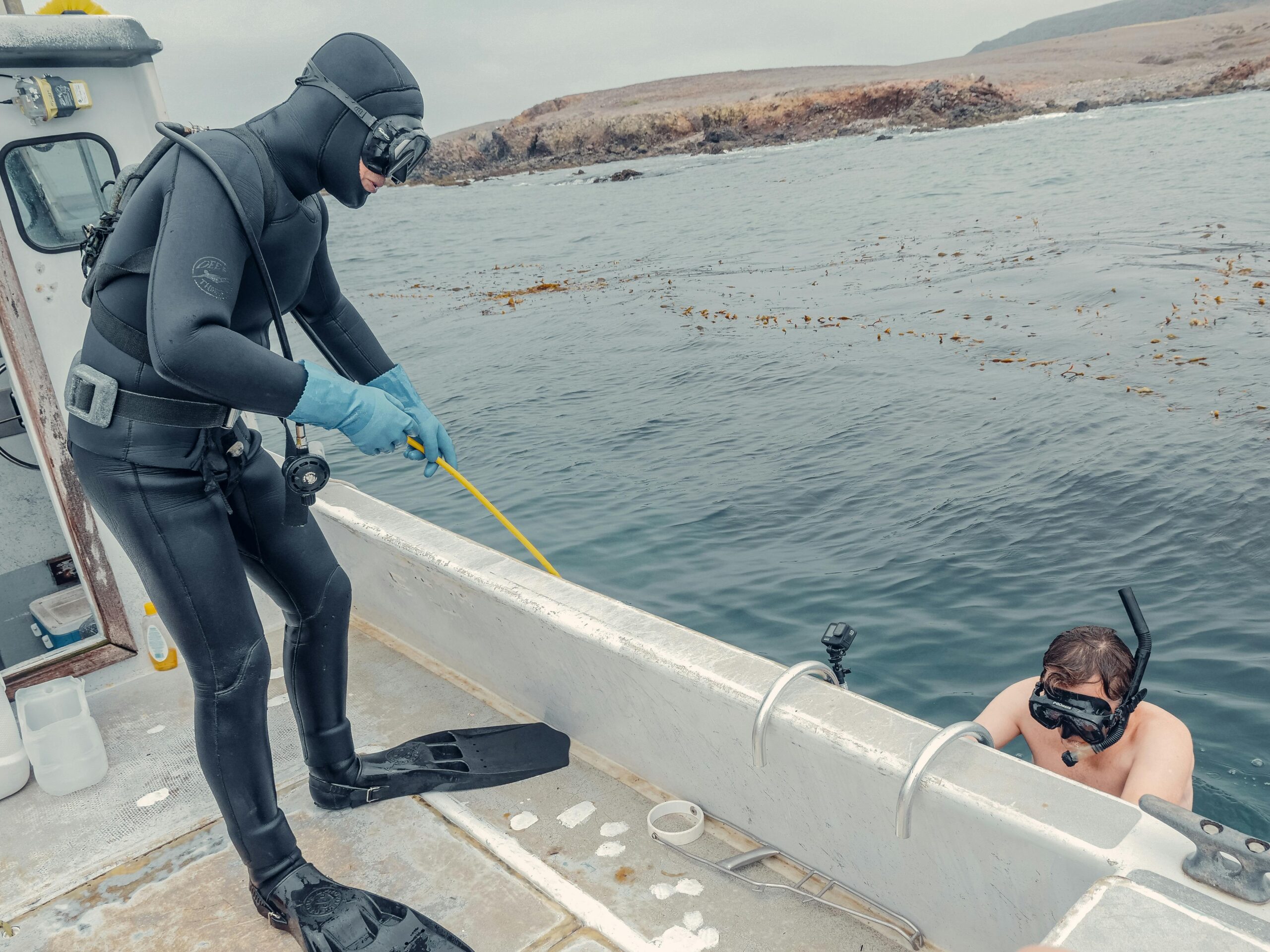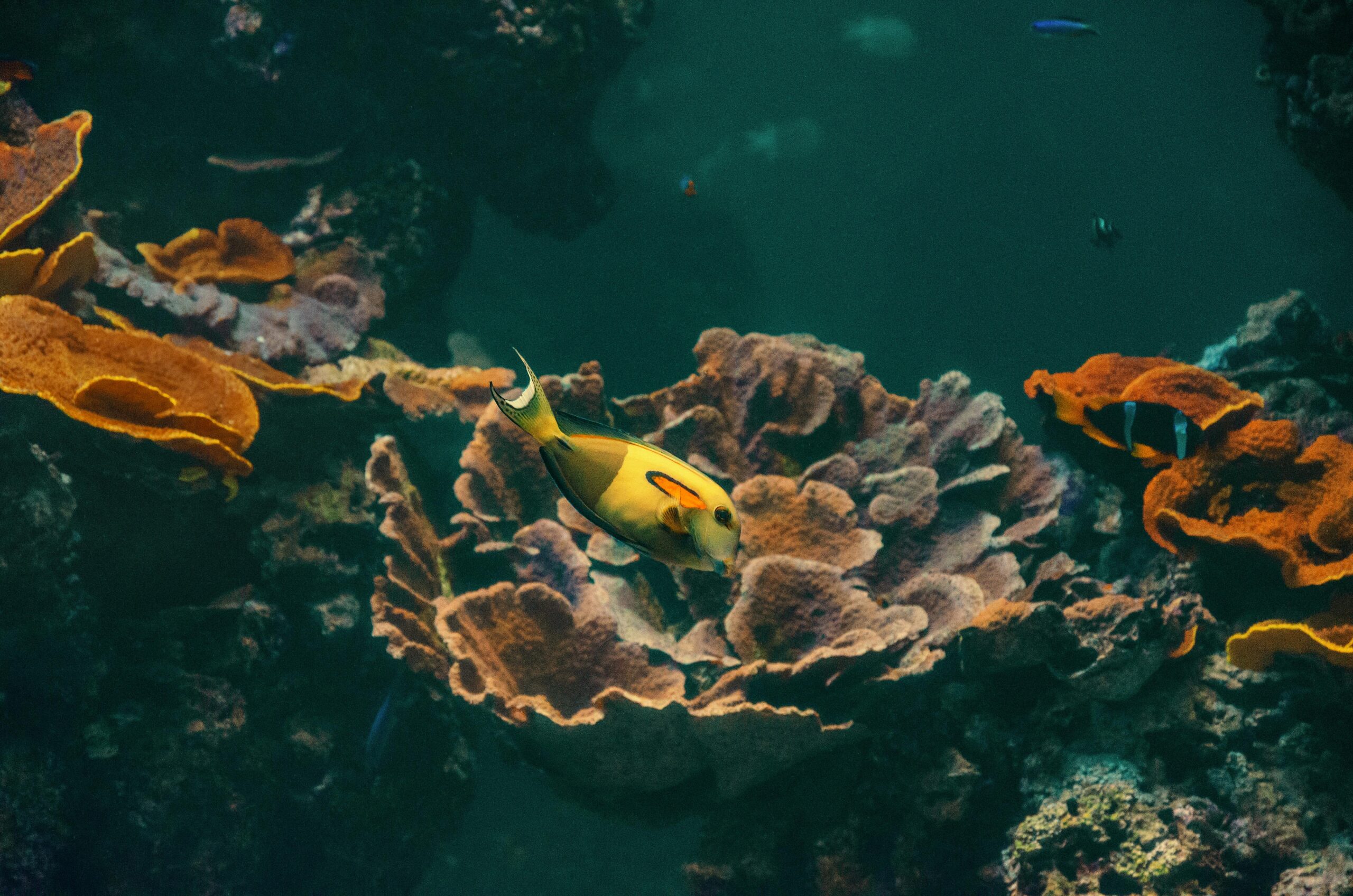
The journey of seafood from ocean depths to our dinner plates involves a complex web of ethical considerations that demand our attention and action.

Our oceans cover more than 70% of Earth’s surface and provide sustenance for billions of people worldwide. Yet beneath the waves lies a network of practices that often remain hidden from consumers who enjoy their grilled salmon or fish tacos. The marine food supply chain encompasses everything from fishing methods and labor conditions to processing standards and distribution networks, each stage presenting unique ethical challenges that affect both human communities and marine ecosystems.
Understanding these complexities isn’t just about making better consumer choices—it’s about recognizing our role in a global system that impacts livelihoods, biodiversity, and the future of our oceans. As awareness grows about sustainability and ethical consumption, the seafood industry faces increasing scrutiny and pressure to transform its practices fundamentally.
🌊 The Hidden Depths of Fishing Practices
Commercial fishing operations vary dramatically in their environmental and ethical footprints. Industrial trawling vessels scrape ocean floors, destroying habitats that took centuries to develop, while capturing massive quantities of fish with little regard for ecosystem balance. These operations often result in significant bycatch—the unintended capture of non-target species including dolphins, sea turtles, and juvenile fish that never reach maturity.
Artisanal fishing communities, by contrast, typically employ more selective methods passed down through generations. These traditional practices often demonstrate greater respect for marine ecosystems, using techniques that minimize environmental damage. However, even small-scale operations face ethical dilemmas when competing against industrial fleets for increasingly scarce resources.
The technology employed in modern fishing presents another ethical dimension. Fish aggregating devices (FADs) attract diverse marine life, making fishing more efficient but often resulting in massive bycatch of sharks, turtles, and juvenile tuna. Bottom trawling equipment destroys coral reefs and seafloor habitats that serve as nurseries for countless species. Ghost fishing—when lost or abandoned nets continue catching and killing marine life for years—represents an ongoing tragedy in our oceans.
Overfishing and Stock Depletion
Approximately one-third of global fish stocks are currently overfished, while nearly 60% are maximally sustainably fished, leaving little room for increased catches. Species like bluefin tuna, once abundant in Atlantic waters, now struggle at critically low population levels despite international regulations attempting to manage their recovery.
The collapse of cod fisheries off Newfoundland in the 1990s serves as a cautionary tale. Decades of overfishing eliminated both a species abundance and the livelihoods of thousands of fishing families, demonstrating how short-term economic interests can devastate long-term sustainability. Similar patterns threaten numerous other species today, from orange roughy to certain shark populations harvested primarily for their fins.
⚖️ Human Rights Beneath the Surface
The ethical challenges in marine supply chains extend far beyond environmental concerns into deeply troubling human rights issues. Reports from multiple international organizations have documented forced labor, human trafficking, and modern slavery aboard fishing vessels, particularly in Southeast Asian waters and distant-water fleets operating in international waters.
Workers recruited with false promises find themselves trapped on vessels for months or years, subjected to physical abuse, inadequate food, and dangerous working conditions without proper safety equipment. Some never return home, their deaths unreported and uninvestigated. The remote nature of fishing operations makes monitoring nearly impossible, creating conditions where exploitation thrives unchecked.
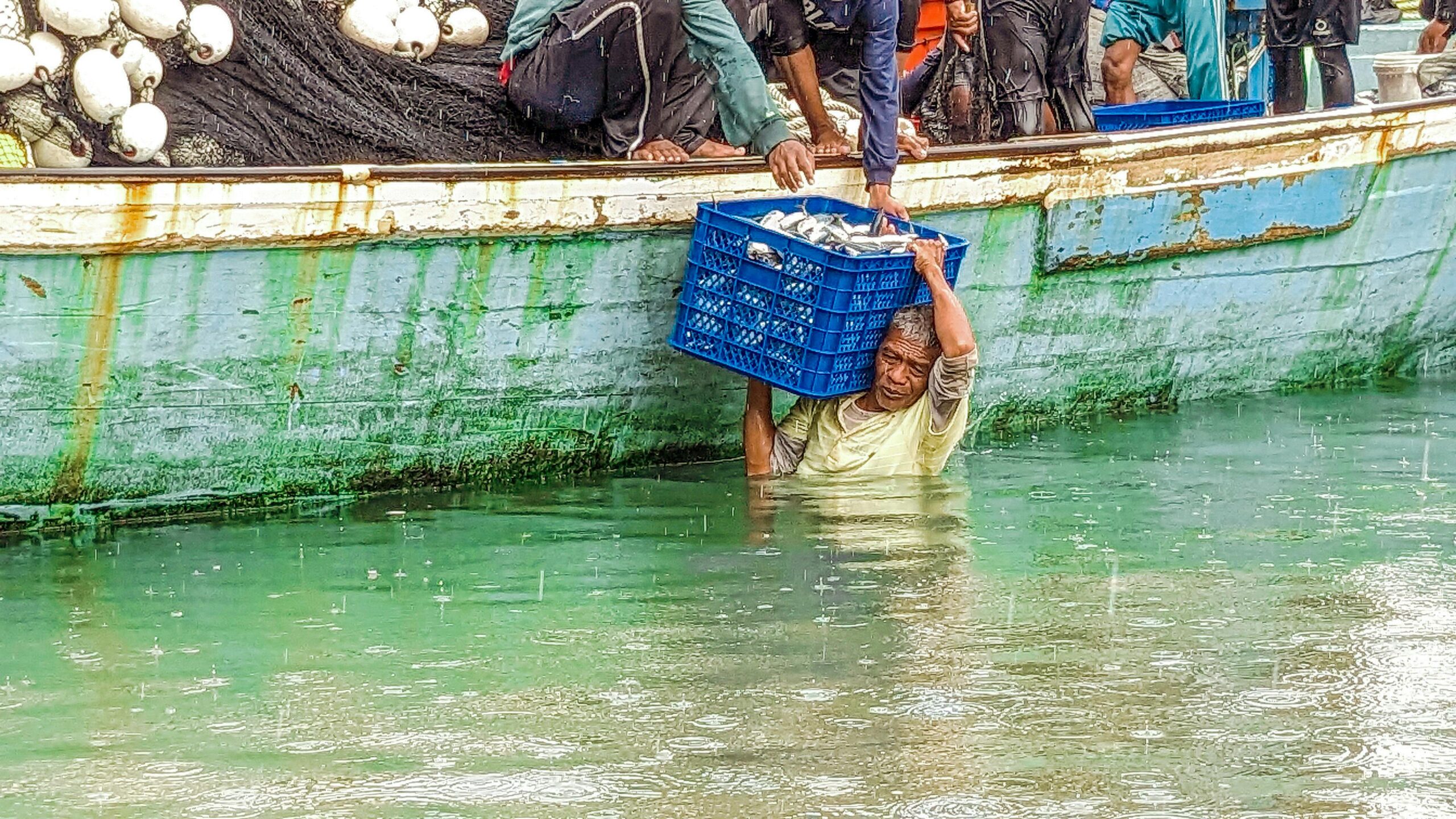
Processing facilities present additional concerns. Workers—often migrants or from economically disadvantaged communities—face repetitive strain injuries, exposure to dangerous equipment, and in some regions, wages below living standards. Women constitute a significant portion of seafood processing workers and frequently experience sexual harassment and discrimination without effective recourse.
The Economics of Exploitation
Economic pressures contribute significantly to these human rights violations. Fishing companies operate on thin profit margins in highly competitive markets, creating incentives to cut costs wherever possible. Labor represents one of the largest variable expenses, making it a primary target for cost reduction through exploitation.
Flag of convenience registrations allow vessel owners to avoid labor and safety regulations by registering ships in countries with minimal oversight. This legal loophole enables abusive practices to continue despite international conventions protecting maritime workers’ rights. Until economic structures reward ethical practices rather than penalizing them, exploitation will likely persist.
🏭 Processing and Distribution Ethics
Once caught, seafood enters processing facilities where additional ethical considerations emerge. Energy-intensive freezing and cold storage systems contribute substantially to carbon emissions, while packaging materials—often single-use plastics—create pollution problems throughout their lifecycle.
Mislabeling and seafood fraud represent pervasive issues in the supply chain. Studies consistently show that 20-30% of seafood is mislabeled at various points from boat to plate. Cheaper species are substituted for premium varieties, farmed fish sold as wild-caught, and origin information frequently falsified. This deception undermines consumer choice and makes ethical purchasing decisions nearly impossible.
The globalized nature of seafood distribution adds complexity. A fish caught in the North Atlantic might be shipped to Asia for processing, then returned to Europe or North America for sale. This transportation network maximizes efficiency and profit but dramatically increases carbon footprints and creates opportunities for ethical violations at multiple points.
🐟 Aquaculture: Solution or Problem?
Fish farming emerged as a solution to wild fish depletion, now providing approximately half of all seafood consumed globally. However, aquaculture brings its own ethical challenges that complicate simple narratives about sustainability.
Intensive fish farming operations concentrate thousands of fish in enclosures, raising animal welfare concerns about stress, disease, and unnatural behaviors. Sea lice infestations in salmon farms require chemical treatments that affect surrounding ecosystems, while escaped farmed fish can interbreed with wild populations, weakening genetic diversity.
Many farmed carnivorous fish species require feeds containing fishmeal and fish oil derived from wild-caught fish. This creates a problematic cycle where industrial fishing continues to supply aquaculture operations, sometimes requiring several pounds of wild fish to produce one pound of farmed product. Herbivorous farmed species like tilapia and catfish present more sustainable alternatives, though they still require significant resources.
Responsible Aquaculture Approaches
Innovative farming methods demonstrate that more ethical aquaculture is possible. Recirculating aquaculture systems (RAS) operate on land with controlled environments that minimize disease, eliminate escapes, and allow waste recycling. Integrated multi-trophic aquaculture combines species at different food chain levels, creating systems where one species’ waste becomes another’s nutrients.
Plant-based and insect-based fish feeds reduce dependence on wild fish stocks while maintaining nutritional requirements. Organic aquaculture standards prohibit harmful chemicals and establish stocking density limits that improve fish welfare. While these approaches often increase costs, they demonstrate pathways toward genuinely sustainable aquaculture.
🛒 Consumer Power and Responsibility
Individual consumers wield significant influence over marine food supply chain ethics through purchasing decisions. Demanding transparency and supporting certified sustainable seafood creates market incentives for ethical practices. However, exercising this power requires access to reliable information—often lacking at points of sale.
Certification schemes like Marine Stewardship Council (MSC) for wild-caught fish and Aquaculture Stewardship Council (ASC) for farmed seafood provide frameworks for identifying more sustainable options. Fair Trade certification addresses social and economic justice issues in fishing communities. Yet these labels represent minimum standards rather than ideal practices, and certification costs can exclude small-scale operations with genuinely sustainable methods.
Questions to consider when purchasing seafood include: Where was it caught or farmed? What method was used? Is the species overfished? Does the seller provide transparent supply chain information? Are workers treated fairly throughout the supply chain? While finding complete answers proves challenging, asking these questions signals to retailers that consumers prioritize ethical considerations.
Reducing Seafood Consumption
Perhaps the most impactful individual action involves eating less seafood overall. Global seafood consumption has increased dramatically in recent decades, placing unsustainable pressure on marine ecosystems. Choosing plant-based proteins more frequently, reserving seafood for occasional consumption, and selecting species from abundant, well-managed stocks represents a practical approach to reducing individual impact.
When consuming seafood, utilizing the entire fish rather than only premium cuts reduces waste and honors the life taken. Traditional cuisines worldwide incorporate fish heads, bones, and organs into nourishing dishes—practices worth reviving in cultures that have abandoned them.
🌐 Policy and Industry Transformation
Addressing systemic issues in marine food supply chains requires policy interventions and industry-wide transformations beyond individual consumer actions. Governments must strengthen monitoring and enforcement of fishing regulations, close legal loopholes that enable exploitation, and establish traceability requirements throughout supply chains.
International cooperation proves essential given that fish stocks and fishing fleets cross national boundaries. Regional fisheries management organizations establish catch limits and conservation measures, though their effectiveness depends on member compliance and enforcement capabilities. Expanding marine protected areas provides refuges where ecosystems can recover from fishing pressure.
Technology offers promising tools for improving supply chain ethics. Blockchain-based traceability systems can track seafood from catch to consumer, making fraud more difficult and enabling verification of sustainability claims. Satellite monitoring and electronic vessel monitoring systems increase surveillance of fishing activities in remote waters where human observers cannot reach.
Corporate Responsibility Initiatives
Major seafood retailers and restaurant chains have adopted sustainability commitments, establishing procurement policies that exclude certain species or require certification. While sometimes criticized as greenwashing, these corporate initiatives can drive substantial changes in fishing practices by leveraging purchasing power to reward ethical operators.
Industry collaboration through initiatives like the Global Tuna Alliance or Seafood Task Force brings competitors together to address shared challenges in supply chains. These collective efforts can achieve reforms impossible for individual companies, establishing industry-wide standards that level competitive playing fields while improving practices.
🔮 Charting a Course Forward
The path toward ethical marine food supply chains requires simultaneous action at multiple levels. Technological innovations must combine with policy reforms, industry transformation, and shifting consumption patterns. Traditional ecological knowledge from fishing communities deserves integration with scientific research to develop truly sustainable management approaches.
Small-scale fishing operations need support to compete against industrial fleets while maintaining sustainable practices. This includes preferential market access, fair pricing structures that reflect environmental stewardship, and protection of traditional fishing grounds from industrial encroachment. Recognizing and valuing the cultural significance of fishing communities strengthens social sustainability alongside environmental goals.
Education plays a crucial role in transforming marine food systems. Training the next generation of fishery managers, seafood buyers, and policy makers with comprehensive understanding of supply chain ethics creates foundations for long-term change. Public awareness campaigns help consumers understand connections between purchasing decisions and ocean health.
🌟 Beyond the Horizon
Our relationship with oceans and marine life reflects broader questions about humanity’s place in natural systems. The ethics of marine food supply chains challenge us to consider whether we view oceans as infinite resources for exploitation or complex ecosystems deserving respect and protection. The choices made today will determine whether future generations inherit abundant seas or depleted wastelands.
Progress requires acknowledging uncomfortable truths about current practices while maintaining hope that transformation remains possible. Examples of recovered fish stocks following management interventions demonstrate that oceans can heal when given opportunity. Communities transitioning to sustainable fishing methods show that economic viability and environmental responsibility can coexist.
The journey from sea to plate involves countless decisions by fishers, processors, distributors, retailers, and consumers. Each decision point presents opportunities to prioritize ethics alongside efficiency and profit. By demanding transparency, supporting sustainable operations, and recognizing the true costs of cheap seafood, we can navigate toward marine food systems that nourish both people and oceans for generations to come.
The waters ahead remain challenging, with climate change adding new pressures to already stressed marine ecosystems. Ocean acidification, warming temperatures, and shifting species distributions complicate fisheries management and conservation efforts. Yet these mounting challenges make ethical transformation more urgent, not less possible. The question isn’t whether change will come to marine food supply chains, but whether we’ll guide that change deliberately toward justice and sustainability or allow deterioration to force reactive crisis responses.
Our choices ripple outward like waves across water, affecting communities and ecosystems far beyond our immediate view. Every meal provides an opportunity to participate in creating the marine food systems we want—systems that respect ocean life, honor fishing communities, and ensure abundance for future generations. The voyage toward ethical marine supply chains begins with awareness and continues through committed action at every scale, from individual plates to international policy. The seas have sustained humanity for millennia; now humanity must learn to sustain the seas in return.