
3D printing technology is reshaping manufacturing by merging innovation with environmental responsibility, turning discarded plastics into valuable resources for sustainable production and conscious consumption.

🌍 The Plastic Crisis Meets Innovative Solutions
Our planet faces an unprecedented plastic pollution challenge. With over 400 million tons of plastic produced annually and only 9% being recycled, the environmental impact has reached critical levels. Landfills overflow, oceans choke with debris, and ecosystems suffer from this persistent material that takes centuries to decompose.
Enter 3D printing with recycled plastics—a revolutionary approach that transforms waste into opportunity. This technology doesn’t just offer a disposal solution; it reimagines the entire lifecycle of plastic materials, creating a circular economy where yesterday’s bottles become tomorrow’s functional products.
The convergence of additive manufacturing and recycling initiatives represents more than technological advancement. It embodies a fundamental shift in how we perceive waste, consumption, and production. By converting post-consumer plastics into 3D printing filament, we’re closing the loop on material waste while democratizing manufacturing capabilities.
♻️ Understanding Recycled Plastic Filaments
Not all plastics are created equal, and understanding which types work best for 3D printing is essential for successful recycling initiatives. The most commonly recycled plastics for additive manufacturing include PET (polyethylene terephthalate), HDPE (high-density polyethylene), and PP (polypropylene)—materials frequently found in everyday packaging.
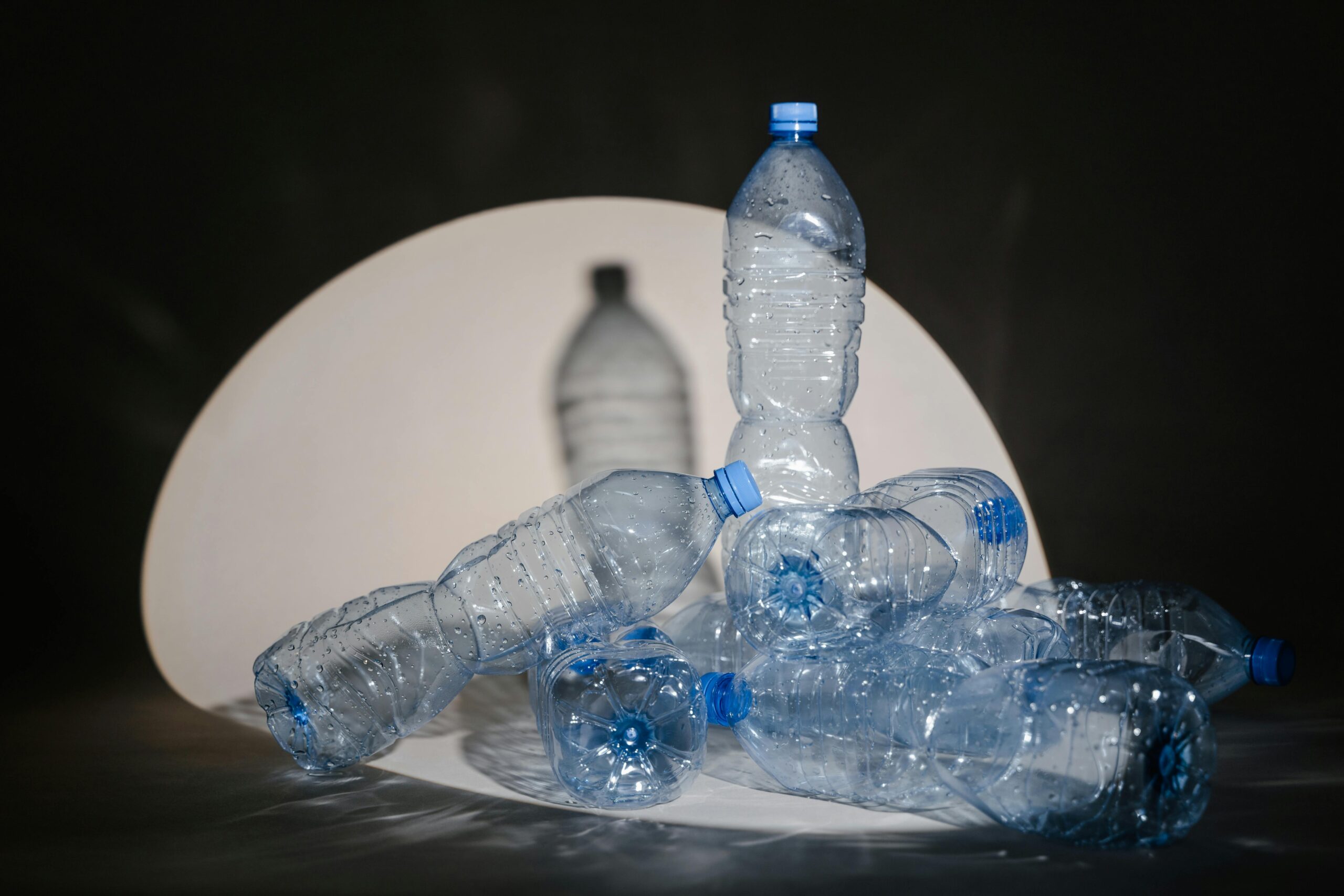
PET plastic, sourced from beverage bottles, has emerged as a particularly popular choice. When processed correctly, recycled PET (rPET) produces filament with excellent layer adhesion, minimal warping, and impressive mechanical properties. The material maintains much of its original strength while offering the environmental benefit of diverting waste from landfills.
The Transformation Process
Converting plastic waste into usable filament involves several critical stages. First, collection and sorting separate recyclable plastics by type, as mixing different polymers compromises quality. Clean, sorted plastics then undergo shredding into small flakes, which are washed to remove contaminants like labels, adhesives, and food residue.
These cleaned flakes enter an extrusion machine where controlled heating melts the plastic, which is then forced through a die to create consistent-diameter filament. Precision matters tremendously here—diameter variations of even 0.05mm can cause printing failures. Quality control systems monitor thickness continuously, ensuring the final product meets exacting standards.
🔧 Benefits Beyond Environmental Impact
While ecological advantages dominate discussions about recycled plastic printing, the benefits extend far beyond carbon footprint reduction. Cost savings represent a significant advantage, as recycled filament typically costs 20-40% less than virgin material equivalents, making 3D printing more accessible to hobbyists, educators, and small businesses.
Material properties often surprise skeptics. High-quality recycled filaments frequently match or exceed virgin materials in strength, durability, and printability. Some recycled blends even exhibit improved characteristics, such as enhanced flexibility or impact resistance, depending on the specific recycling process and additives used.
Local manufacturing capabilities flourish when communities establish recycling-to-filament operations. Small-scale entrepreneurs can collect local plastic waste, process it into filament, and sell directly to nearby makers and businesses. This localization reduces transportation emissions while creating jobs and strengthening regional economies.
Social Empowerment Through Accessible Technology
Educational institutions worldwide are incorporating recycled plastic 3D printing into curricula, teaching students about circular economies, materials science, and sustainable design. These hands-on experiences develop environmental consciousness while building practical skills in emerging technologies.
Developing regions particularly benefit from this democratized manufacturing approach. Communities lacking access to traditional manufacturing infrastructure can establish small-scale recycling and printing operations, producing locally needed items from locally sourced waste materials. This self-sufficiency reduces dependence on imported goods while addressing waste management challenges.
🏭 Industrial Applications Driving Change
Major corporations are recognizing the potential of recycled plastic 3D printing, integrating these practices into their sustainability strategies. Automotive manufacturers use recycled filaments to produce prototypes, custom tools, and even some production components, reducing material costs while meeting environmental targets.
The construction industry explores large-scale 3D printing with recycled plastics for architectural elements, temporary structures, and affordable housing solutions. These applications consume vast quantities of material, making recycled options both economically and environmentally compelling.
Fashion and consumer goods brands leverage recycled plastic printing for customized products, limited editions, and sustainable packaging solutions. This approach aligns with growing consumer demand for environmentally responsible products while enabling design flexibility impossible with traditional manufacturing methods.
🛠️ Challenges and Solutions in the Recycling Process
Despite tremendous potential, recycled plastic 3D printing faces legitimate challenges. Material consistency remains the primary concern, as contamination or polymer degradation during recycling can compromise print quality. Each heating and cooling cycle slightly degrades plastic polymers, potentially limiting how many times material can be recycled.
Color consistency presents another obstacle. Mixed plastic sources create unpredictable colors in the final filament, ranging from appealing marbled effects to unattractive muddy browns. While some manufacturers embrace this variability as aesthetic character, others invest in sorting and pigmentation processes for consistent coloration.
Technological Innovations Addressing Limitations
Advanced sorting technologies using spectroscopy and artificial intelligence now identify and separate plastic types with unprecedented accuracy. These systems eliminate human error in sorting while processing material much faster, improving recycled filament quality and production efficiency.
Additive formulations help restore properties lost during recycling. Compatibilizers improve polymer bonding, stabilizers prevent further degradation during printing, and reinforcing agents enhance mechanical strength. These additives enable recycled materials to perform comparably to virgin alternatives.
Quality testing protocols ensure consistency. Manufacturers now routinely conduct tensile strength tests, dimensional accuracy verification, and moisture content analysis on recycled filaments, providing users with performance data comparable to traditional materials.
🌱 Creating Your Own Recycled Filament
The maker movement has embraced DIY filament production, with enthusiasts building home-scale recycling systems. Desktop extruders like those from Filabot, Lyman, and various open-source designs enable individuals to transform their plastic waste into printable filament.
Starting a home recycling operation requires modest investment—typically between $500 and $2,000 for a basic setup. This includes a shredder for processing plastic waste, an extruder for creating filament, and a spooler for winding finished material. While the initial cost seems substantial, the investment pays for itself through filament savings for active 3D printing enthusiasts.
Best Practices for Home Production
Success in DIY filament production depends on following key principles. Always sort plastics meticulously by type, as mixing polymers creates unusable material. Clean all plastic thoroughly, removing labels, adhesives, and contaminants that compromise quality.
Temperature control makes or breaks the extrusion process. Each plastic type has an optimal melting temperature range—too cool produces inconsistent filament, while excessive heat degrades the polymer. Investing in a quality extruder with precise temperature control prevents frustration and material waste.
Diameter consistency requires attention throughout production. Most 3D printers expect filament between 1.75mm and 2.85mm diameter, with tolerances under ±0.05mm. Regular measurement during extrusion allows real-time adjustments, preventing entire spools of unusable material.
📊 Comparing Recycled and Virgin Filaments
| Characteristic | Virgin Filament | Recycled Filament |
|---|---|---|
| Cost per kg | $20-$30 | $12-$22 |
| Environmental Impact | High (petroleum-based) | Low (diverts waste) |
| Color Consistency | Highly consistent | Variable (can be controlled) |
| Mechanical Strength | Excellent | Good to excellent |
| Print Reliability | Very high | High (with quality suppliers) |
| Availability | Widespread | Growing rapidly |
🚀 Future Horizons for Sustainable 3D Printing
The trajectory of recycled plastic 3D printing points toward exponential growth and innovation. Research into chemical recycling methods promises to restore degraded polymers to near-virgin quality, eliminating the performance gap between recycled and new materials entirely.
Ocean plastic initiatives specifically target marine debris for conversion into filament. Organizations worldwide collect plastic from waterways and coastlines, processing it into 3D printing material while simultaneously addressing ocean pollution. Products made from ocean plastic carry powerful storytelling potential, connecting consumers directly to environmental impact.
Hybrid materials combining recycled plastics with natural fibers, industrial waste, or other sustainable additives create novel materials with unique properties. These innovations expand the application range for recycled filaments while further improving environmental credentials.
Policy and Infrastructure Development
Government initiatives increasingly support recycled plastic 3D printing through subsidies, tax incentives, and procurement preferences. Public institutions adopting recycled materials for manufacturing needs create reliable demand that stimulates industry growth and infrastructure development.
Extended producer responsibility legislation places recycling obligations on manufacturers, driving investment in circular economy solutions. As regulations tighten globally, recycled plastic 3D printing becomes not just environmentally preferable but legally necessary for many industries.
💡 Practical Tips for Getting Started
For individuals eager to participate in this sustainability revolution, starting is simpler than many assume. Begin by identifying quality recycled filament suppliers in your region or online. Look for manufacturers providing material specifications, testing data, and transparent sourcing information.
Start with forgiving materials—recycled PET prints easily and tolerates minor inconsistencies better than more demanding polymers. Experiment with print settings, as recycled materials sometimes benefit from slightly adjusted temperatures or speeds compared to virgin equivalents.
Join online communities focused on sustainable 3D printing. Forums, social media groups, and maker spaces offer invaluable knowledge sharing, troubleshooting assistance, and inspiration. These communities often organize plastic collection drives, group purchases of recycled filament, and collaborative projects demonstrating the technology’s potential.
Choosing the Right Projects
Select initial projects that showcase sustainability while delivering practical value. Replacement parts for household items demonstrate the repair potential of 3D printing, extending product lifespans and reducing consumption. Organizational tools, garden accessories, and educational models all make excellent starting projects.
Consider aesthetic applications where color variability becomes an asset rather than limitation. Recycled plastic’s unique appearance creates distinctive products impossible to replicate with uniform virgin materials. Embrace the natural variation as a badge of environmental commitment.
🌟 Success Stories Inspiring Change
Numerous organizations worldwide demonstrate the transformative potential of recycled plastic 3D printing. Precious Plastic, a global community project, provides open-source machines and instructions for small-scale plastic recycling operations, empowering communities to establish local circular economies.
Companies like Refil and Better Future Factory commercialize recycled filament production, proving that environmental responsibility and business viability coexist successfully. Their growth validates market demand for sustainable 3D printing materials while continuously improving quality and accessibility.
Educational institutions integrate these technologies into curricula, preparing the next generation of engineers, designers, and environmental scientists. Students worldwide now graduate with hands-on experience in circular economy principles and sustainable manufacturing practices.
🎯 Making Sustainability Standard Practice
The revolution in 3D printing with recycled plastics represents more than technological innovation—it embodies a necessary evolution in how humanity approaches manufacturing, consumption, and waste. By transforming discarded materials into valuable resources, we simultaneously address pollution while enabling accessible, distributed manufacturing.
Success requires collective action. Individuals choosing recycled filaments, businesses implementing sustainable practices, educators inspiring students, and policymakers creating supportive frameworks all contribute essential pieces to this transformation. The technology exists; widespread adoption depends on commitment to environmental responsibility.
Every plastic bottle diverted from landfills, every functional part printed from recycled material, and every person inspired to participate contributes to meaningful change. The future of manufacturing isn’t just digital or distributed—it’s sustainable, circular, and built from the wisdom that waste is merely a resource in the wrong place.
As 3D printing technology continues advancing and recycling infrastructure improves, the distinction between recycled and virgin materials will fade. Environmental consciousness will transition from competitive advantage to industry standard, with sustainable practices becoming the default rather than exception.
The journey toward a greener future through recycled plastic 3D printing has begun. Whether as creators, consumers, educators, or advocates, everyone can participate in this transformation. Together, we’re not just printing objects—we’re building a sustainable future, one layer at a time.